Growing wholesale and logistics revenue without adding headcount
Carriers and distributors need different targets, different openers, and different success measures. Here is each one, with an outreach example.
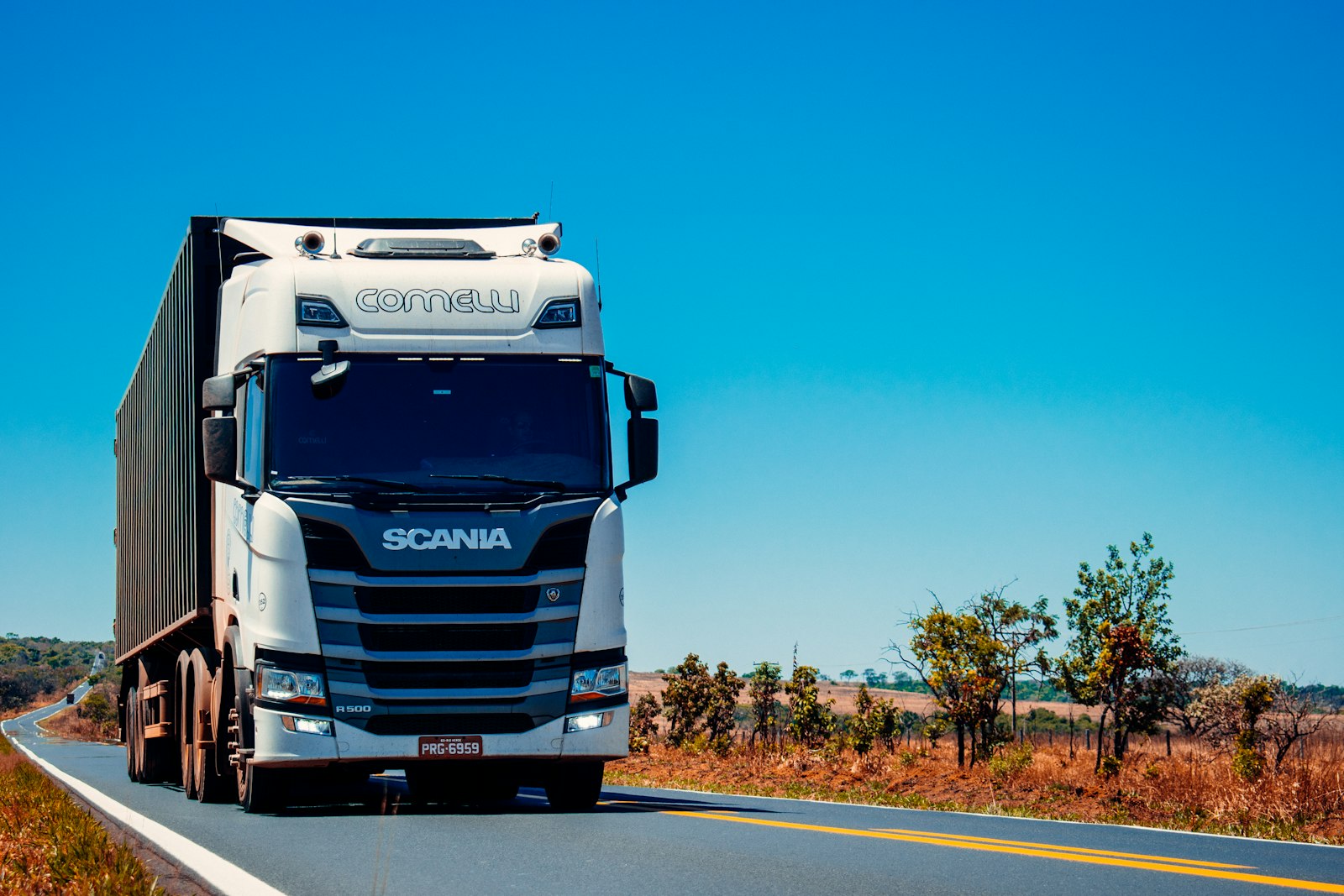
Logistics and wholesale leaders face the same constraint: more products, more territories, same team. Adding outbound reps is slow and expensive. The alternative is sharper prioritisation every week.
“Logistics and supply” covers two audiences that need different lists. Keep them apart, or every message ends up generic.
Two audiences, two lists
| Carriers and freight providers | Wholesale distributors | |
|---|---|---|
| You sell | Capacity on routes | Stocked industrial goods |
| Buyer | Transport or logistics manager at a shipper | Plant purchasing, contractor, or reseller |
| Track | Routes, cargo, volume, service needs | Categories, territory, stock, purchase pattern |
| Signal | New plant or depot; transport coordinator hired | Contractor wins work; branch or category expansion |
| Success measure | Loads per week on a named route | New order lines per week in a named category |
Outreach example: a carrier
Illustrative message — carrier
New plant, two routes
- To
- Transport coordinator at a building-materials manufacturer opening a second plant.
- Subject
- Plant to Hamburg and Prague: two route quotes
- Message
- Your new plant ships to Hamburg and Prague from next quarter. We run both routes every week with curtain-side trailers and tail-lift. Attached are quotes for 24-pallet loads. When do your current carrier contracts end?
- Success measure
- Loads per week on those two routes after 90 days. Illustrative target: 6 loads a week.
Outreach example: a distributor
Illustrative message — distributor
Existing customer, new category
- To
- Purchasing lead at a fabrication contractor that already buys abrasives from you.
- Subject
- Welding consumables for your new workshop
- Message
- You already buy abrasives from our nearest branch. For the new workshop we stock the common wire and rods at the same branch, 40 minutes away, with next-day delivery. A price list is attached. Which brands do your procedures specify?
- Success measure
- New order lines per week in welding consumables after 90 days. Illustrative target: 15 lines a week.
Use account history for expansion
The distributor example is an expansion, not a new account. The customer already buys from you, so you know what they purchase and when. A new site, route, or category at an existing customer is usually the cheapest growth in the pipeline.
Segment by motion within each list
- Replenishment accounts: predictable volume, relationship-led. Measure retention and order frequency.
- Expansion accounts: new routes, depots, or categories. Measure the added loads or order lines.
- Rescue accounts: service problems or a competitor opening. Measure recovery of lost volume.
Lean teams scale when the system surfaces the next best account and the message names one specific thing: a route, a category, or a stockout risk.
Useful next steps